
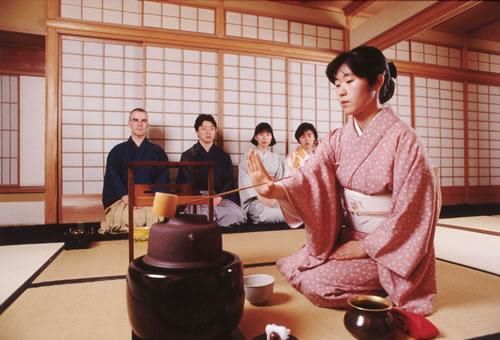

By Ali Syarief
In a world increasingly defined by speed, confrontation, and relentless noise, Japan offers a strikingly different philosophy—one that does not seek dominance, but balance. This philosophy is known as Nagomi. At first glance, it may seem like a simple idea of harmony, but in truth, Nagomi is a profound way of living: a disciplined commitment to coexistence, acceptance, and quiet strength.
Nagomi is not merely about avoiding conflict. It is about managing it with grace. It recognizes that differences are inevitable, but insists they do not have to lead to division. In Japanese society, this principle manifests in subtle yet powerful ways: in the tone of conversations, in decision-making processes, and even in silence. Silence, in this context, is not emptiness—it is space. Space for reflection, for respect, and for others to exist without being overshadowed.
The roots of Nagomi can be traced to the spiritual traditions of Buddhism and Shinto. From Buddhism comes the awareness of impermanence and the acceptance of reality as it is. From Shinto comes a deep reverence for balance between humans and nature. Together, these influences have shaped a culture that prioritizes equilibrium over ego, and continuity over confrontation.
In social interactions, Nagomi fosters a refined sensitivity toward others. Disagreements are expressed carefully, often indirectly, not out of weakness but out of respect. The goal is not to “win” an argument, but to preserve the relationship. In professional environments, this translates into strong teamwork and collective responsibility. Success is rarely framed as individual triumph; instead, it is seen as a shared outcome.
Yet, Nagomi is not without its tensions. The pursuit of harmony can sometimes suppress individuality. People may hesitate to speak openly if it risks disturbing the balance. This raises an important question: does Nagomi truly create equilibrium, or does it, at times, enforce conformity? The answer is not simple. It lies in how the principle is practiced—whether as a genuine effort toward mutual respect, or as an unspoken pressure to comply.
Even so, the relevance of Nagomi in today’s fragmented world is undeniable. As societies grow more polarized, the ability to hold differences without hostility becomes increasingly valuable. Nagomi does not offer a dramatic solution; it offers something quieter, yet arguably more enduring—a way to reduce friction without erasing diversity.
For countries rich in plurality, the lesson is particularly meaningful. Harmony is not achieved by silencing differences, but by learning how to carry them without breaking apart. Nagomi reminds us that strength does not always announce itself loudly. Sometimes, it is found in restraint, in patience, and in the deliberate choice to build rather than to divide.
In its quietness, Nagomi speaks with clarity: not every battle needs to be fought, and not every difference must become a conflict. In a world obsessed with being heard, perhaps the most radical act is to listen—and to live in balance.
