
By Ali Syarief
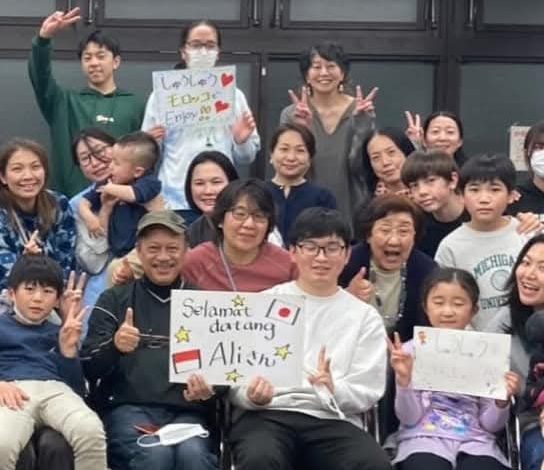
Living with a Japanese host family is far more than simply staying in someone else’s house. It is a journey into another way of life, an opportunity to understand values, habits, and social behavior from a different cultural lens. For Indonesian participants, this experience becomes even more meaningful because many Japanese values may appear both familiar and unfamiliar at the same time. While the two countries have different traditions and social norms, both cultures share an important foundation: respect for others and social harmony.
Cross-cultural experiences often begin with small everyday actions. In Japan, greetings are considered essential expressions of respect and social connection. Phrases such as Ohayou gozaimasu (Good morning), Tadaima (I’m home), Itadakimasu (before eating), and Gochisousama deshita (after eating) are deeply rooted in daily life. Indonesians may not use exactly the same expressions, yet greeting others is also an important part of Indonesian culture. Many Indonesian children grow up learning to say Assalamu’alaikum, selamat pagi, or greeting older people with gestures of respect. Both cultures teach that acknowledging others is not simply a formality; it is a sign of appreciation and good character.
Another similarity can be found in family values. Indonesia is known for its warm and collective social culture. Guests are often treated generously and are quickly considered part of the family. Japanese families may appear more reserved at first, but beneath this difference lies a similar spirit of care and responsibility. The difference is often found not in the values themselves but in the way they are expressed. Indonesians may show warmth through frequent conversation and openness, while Japanese people may show care through attentiveness, actions, and respect for personal space.
Cleanliness and household responsibility also reveal interesting cultural differences. In Japan, keeping spaces neat and organized is part of daily discipline. Participants are expected to clean up after themselves and maintain order. Indonesian culture similarly teaches the values of gotong royong, or collective responsibility, where family members work together to maintain harmony and cleanliness. However, Indonesian homes sometimes involve more flexibility in personal spaces and routines. Through a homestay experience, Indonesian participants can observe how Japanese discipline complements the communal values they already understand.
Time is another area where cultural perspectives become visible. Japanese society strongly emphasizes punctuality. Arriving exactly on time is considered a sign of reliability and respect. Indonesian culture values time as well, although social interactions may sometimes allow more flexibility. Family gatherings, community events, or informal meetings may start later than planned without creating significant concern. During a homestay, Indonesian participants learn that adapting to Japanese punctuality is not about changing their identity, but about understanding different social expectations.
Food and dining habits also create meaningful opportunities for cultural exchange. Indonesians often enjoy meals as lively social moments, with conversations and shared dishes creating a warm atmosphere. Japanese meals may sometimes appear quieter and more structured, accompanied by expressions of gratitude before and after eating. When participants encounter unfamiliar foods, cultural sensitivity becomes important. Rather than rejecting food directly, expressing appreciation and openness demonstrates respect toward the effort and care behind the meal.
One of the greatest challenges in cross-cultural experiences is avoiding comparison and judgment. It is natural for people to think, “This is different from what I know.” However, saying, “My country is better,” creates barriers. A better response might be, “Interesting, in Indonesia we usually do it differently.” Such a perspective transforms differences into opportunities for learning rather than reasons for division.
Ultimately, homestay experiences reveal that Indonesia and Japan, despite their different customs and social behaviors, are connected by shared human values. Both societies teach respect for family, appreciation for others, and the importance of maintaining harmony. The methods may differ, but the purpose is often the same.
For Indonesian participants, living with a Japanese host family is not about abandoning their own culture. It is about bringing the warmth, friendliness, and spirit of gotong royong from Indonesia while learning discipline, attentiveness, and social awareness from Japan. True cross-cultural learning does not happen when one culture replaces another. It happens when people discover how different cultures can enrich one another.
Come with the heart of an Indonesian, learn with the curiosity of a traveler, and leave with the understanding of a global citizen.